
2024

Slight GDP growth in third quarter
(25.12.2024) The Swiss economy continues to grow at a steady but moderate pace. Gross domestic product (GDP) rose by 0.2% in the third quarter of 2024, compared to 0.4% in the previous quarter, driven primarily by robust activity in the construction sector (+0.8%).

The struggling economic recovery
(18.12.2024) The economic outlook in Switzerland remains mixed. The Raiffeisen SME PMI index declined in November 2024 to 50.1 points, down from 51.9 points in October, inching closer to the contraction threshold. This is largely due to weak demand in international markets.

The global climate weakens the machinery industry
(04.12.2024) The machinery, electrical equipment, and metal industries (MEM sector) face a period of uncertainty. Revenue fell by 4.2% year-on-year during the first three quarters of 2024, according to Swissmem.

The job market is stabilizing
(11.12.2024) Companies in Switzerland are finding it easier to recruit, and the labor market remains strong. In the third quarter of 2024, the number of jobs in the Swiss economy grew by 1.2% (+65,800) compared to the previous year, according to the Federal Statistical Office (FSO).

One in 25 businesses hit by a serious cyberattack
(27.11.2024) Cybersecurity continues to pose a significant challenge in Switzerland. Over the past three years, 4% of SMEs have fallen victim to a serious cyberattack, equating to approximately 24,000 businesses nationwide, according to a study by the University of Applied Sciences and Arts Northwestern Switzerland (FHNW).

Slight increase in overnight stays expected this winter
(20.11.2024) Swiss tourism appears resilient despite the challenges of a strong franc and a mixed economic outlook. Compared to winter 2023-2024, overnight stays are expected to rise by 0.8% (+149,000), reaching a total of 18.1 million during the 2024-2025 season, according to a study by the BAK Economics Institute.

Growth forecasts are looking increasingly bleak
(13.11.2024) Economic recovery continues to struggle. The Economic Research Center's (KOF) barometer at ETH Zurich has dropped by 5.0 points to 99.5 in October (down from 104.5 in September). This marks the first time since January 2024 that the indicator has fallen below the average (100).

One in five companies has already integrated AI into its operations
(06.11.2024) The Swiss economy is increasingly embracing artificial intelligence's potential. More than half (55%) of companies have started integrating this technology into their operations, according to a study by insurer AXA and the Sotomo Institute, which surveyed 300 SMEs.

Intellectual and scientific professions have grown significantly
(30.10.2024) The types of professions within the Swiss workforce have undergone significant changes over the past 50 years. For instance, the proportion of people working in intellectual and scientific fields jumped from 7.3% in 1970 to 26.8% in 2023, according to the Federal Statistical Office (FSO).

Small businesses expanding internationally
(23.10.2024) Swiss SMEs are conducting a significant portion of their business internationally. A third of them generate more than three-quarters of their revenue abroad, according to the Swiss International Entrepreneurship Survey (SIES) conducted by the School of Management Fribourg (HEG-FR).

Unemployment Continues to Rise in September
(16.10.2024) The Swiss labor market is tightening. In September 2024, the number of unemployed people rose to 113,245, an increase of 22,419 compared to the same period in 2023 (+24.7%). During the same period, the unemployment rate edged up by 0.1 percentage points to reach 2.5%, according to the State Secretariat for Economic Affairs (SECO).

Switzerland once again leads the world in innovation
(09.10.2024) For 14 consecutive years, Switzerland has consistently ranked as the world’s most innovative economy. It retains its leading position, ahead of Sweden (2nd) and the United States (3rd), according to the 2024 Global Innovation Index by the World Intellectual Property Organization (WIPO).

Export declines continued in August
(02.10.2024) Foreign trade saw a slight contraction, according to the Federal Office for Customs and Border Security (FOCBS). Exports dropped to 22.12 billion francs (-1.2%) in August, while imports remained relatively stable at 18.26 billion francs (-0.1%).

Swiss medtech industry continues to grow
(25.09.2024) The medical technology industry is thriving. The sector saw an annual revenue growth of 6% between 2021 and 2023, a rate that is twice as fast as Switzerland's gross domestic product (GDP), according to a report by the Swiss Medtech Association.

Weak demand is dragging down the industry
(18.09.2024) The industrial sector is struggling to recover from the recession and continues to face uncertain prospects. Raiffeisen Bank's SME PMI index rose slightly from 46.8 points in July to 48.0 in August, but it still remains below the long-term growth threshold of 50.

Employment grows but wages decline
(11.09.2024) The labor market has significantly strengthened since COVID. According to the Federal Statistical Office (FSO), the number of employed individuals rose by 5% between the fourth quarter of 2018 and the same period in 2023.

The employees diversify their skills
(04.09.2024) Swiss employees are starting to adapt to the new demands of the job market. Over three-quarters (79%) of them express a willingness to acquire new skills, especially in the field of artificial intelligence (AI), according to PwC's 2024 survey on hopes and fears.

Recruitment difficulties for SMEs
(28.08.2024) The ongoing labor shortage continues to concern businesses. Despite a tighter job market and rising unemployment rates, over half of SMEs (51%) are struggling with recruitment challenges, according to a study released by the insurer Axa.

Mixed Economic Outlook
(21.08.2024) The economic situation is stabilizing above average but remained sluggish in July. The KOF Swiss Economic Institute’s barometer at ETH Zurich dropped by 1.7 points to 101.0 (down from 102.7 in June), indicating moderate growth in the months ahead.

Job offers are becoming scarce in Switzerland
(14.08.2024) The labor market has been showing signs of fatigue since the beginning of 2024. In the second quarter, the number of job vacancies nationwide dropped by 11% year-on-year, according to the Swiss Job Market Index conducted by the Adecco Group and the University of Zurich.

Over 3,000 bankruptcies reported in the first half of 2024
(07.08.2024) The number of insolvency proceedings in Switzerland continues to rise. According to the consulting firm Dun & Bradstreet, 3,006 companies shut down in the first half of 2024. This marks a 7% increase compared to the same period last year.

Nearly half of all employees work without fixed hours
(31.07.2024) Working with "flexible" hours is a common practice in Switzerland. In 2023, nearly half (47.7%) of employees benefited from such a schedule, according to the Swiss Labour Force Survey (SLFS) published by the Federal Statistical Office (FSO).

Industry slow to embrace AI in processes
(24.07.2024) Swiss manufacturing companies remain cautious about adopting artificial intelligence (AI). A study by ETH Zurich in collaboration with Swissmem, involving 208 companies, reveals that only 28% have developed a specific AI strategy.

Economic climate favors exporters
(17.07.2024) Exporting SMEs are feeling optimistic again. The Switzerland Global Enterprise export expectations barometer climbed to 62.8 points in the second half of 2024, an increase of 11.2 points from the previous semester.

Slight economic improvement in 2024
(10.07.2024) The outlook for the Swiss economy is looking up. In June 2024, the Swiss Economic Institute (KOF) at ETH Zurich’s Economic Barometer rose to 102.7 points, marking an increase of 0.5 points from the previous month, and remains above the long-term average.

Switzerland stays in the global top 3 for competitiveness
(03.07.2024) The Swiss economy has moved up one spot in the global competitiveness rankings. Switzerland now holds the second position in the 2024 World Competitiveness Ranking by the IMD Business School in Lausanne, just behind Singapore and ahead of Denmark.

Bright summer ahead for Swiss tourism
(26.06.2024) The forecast for the Swiss tourism sector is sunny: hotels are expected to record nearly 24.2 million overnight stays this season, an increase of 206,000 (+0.9%) compared to 2023, according to predictions by BAK Economics, commissioned by SECO.

Economic outlook remains positive for 2024
(19.06.2024) Swiss senior executives are generally satisfied with the current economic situation. Although the business climate index from the Swiss Managers Survey is slightly lower than in 2023, it indicates significantly more optimistic short-term forecasts for 2024 compared to last year.

Federal Council intensifies fight against money laundering
(12.06.2024) The Swiss government has drafted a bill to enhance corporate transparency. The aim is to establish a federal register that lists all beneficial owners of companies. Submitted to the Federal Assembly, the law is not expected to come into effect until 2026.

A turbulent start of the year for the Swiss tech industry
(05.06.2024) The machinery, electrical equipment, and metals sector faced a turbulent first quarter in 2024. According to the umbrella organization Swissmem, exports and overall industry revenue declined by 8.5% and 5.4% respectively, compared to the same period last year.

Artificial intelligence could drive economic recovery
(29.05.2024) The global economy has weathered cyclical fluctuations well, yet growth remains sluggish. In Switzerland, GDP is projected to rise by 1.1% in 2024, according to the OECD. However, artificial intelligence has the potential to revitalize productivity growth and accelerate innovation.

Cyberattacks are becoming more frequent and varied
(22.05.2024) Cyber threats represent a significant risk for Swiss businesses. In the second half of 2023, the Federal Office for Cybersecurity (OFCS) reported 30,331 cyber incidents, nearly double the cases reported during the same period in 2022 (16,951).

Slowdown in foreign trade
(15.05.2024) The global economic downturn continues to impact international trade. In the first quarter of 2024, imports decreased by 1.9% and exports dropped by 0.8% compared to the final quarter of 2023, according to the Federal Office of Customs and Border Security (FOCB).

Record funding for Swiss biotechnology
(08.05.2024) The Swiss biotech industry showed remarkable resilience in 2023. The sector boasted a revenue of 7.3 billion francs, nearly half a billion more than in 2022 (+7.35%). Moreover, it raised a record-breaking sum of 2 billion francs (+50% year-on-year).

Record number of bankruptcies reported
(01.05.2024) The upward trajectory in bankruptcy filings persisted throughout 2023, marking a significant milestone. Nearly 15,500 companies closed their doors, reflecting a 2.9% increase compared to the previous year. This figure represents the highest ever recorded by the Federal Statistical Office (FSO).

Cybersecurity: a new priority for Swiss companies
(24.04.2024) Swiss companies have ramped up their efforts to combat cyber threats in 2024. According to PwC's Global Digital Trust Insights 2024 survey, safeguarding against cyber hacking now ranks as their top concern, with 65% of respondents highlighting it.

Global industry is weighing down Swiss SMEs
(17.04.2024) Economic recovery struggles persist in Switzerland. Raiffeisen's SME PMI dipped below the growth threshold in March 2024, with 47.9 points compared to February's 50.0. This downturn is largely attributed to decreased activity among industrial firms.

Record results for Swiss banks
(10.04.2024) The Swiss financial sector successfully surmounted the economic challenges of 2023. According to the bank barometer from consulting firm Ernst and Young (EY), an overwhelming 96% of banks anticipate operational profit growth in 2024.

Moderate growth for 2024
(03.04.2024) Switzerland's economic performance is projected to fall below the average in 2024. The Federal Expert Group on Business Cycles anticipates a GDP growth of 1.1%, adjusted for the impact of sporting events.

Mixed results for Swiss fintech
(27.03.2024) Despite decreased investments within the sector, the number of companies engaged in financial technologies (fintech) grew last year. According to a study by the Lucerne University of Applied Sciences and Arts (HSLU), the industry saw an increase to 483 firms in 2023, marking a 10.5% rise compared to 2022.

Slight increase in employment in Q4 2023
(20.03.2024) The Swiss labor market saw growth in 2023. In Q4 2023, non-agricultural businesses had 5.488 million positions. This represents a 1.7% increase annually and a 0.4% increase quarterly, according to the Federal Statistical Office (FSO).

Business situation remains stable in February
(13.03.2024) The business situation in Switzerland has seen little change since autumn 2023. In February 2024, the Business Situation Indicator from the KOF Swiss Economic Institute stood at 14.0, which is 0.4 points higher than the previous month and 0.3 points higher than in October 2023.

Historic record of overnight stays in 2023
(06.03.2024) The year 2023 proved to be exceptionally prosperous for Switzerland's hotel industry. According to reports from Switzerland Tourism and the Federal Statistical Office (OFS), the sector recorded nearly 41.8 million overnight stays, marking the highest total since record-keeping began in 1934.

Record of Swiss mergers and acquisitions abroad
(28.02.2024) Swiss SMEs took advantage of the strong franc to increase their investments in mergers and acquisitions of foreign companies. The total number of transactions reached 76 (+1.3%), a record figure since the beginning the consulting firm Deloitte began its study in 2013.

Possibility of interest rate adjustment for COVID-19 credits at end of March 2024
(22.02.2024) As stipulated by law, the interest rates for COVID-19 credits are reviewed on 31 March each year by the Federal Council and adjusted to market conditions if necessary. Therefore, the Federal Council could potentially adjust the current interest rates of 1.5% for outstanding credits up to CHF 500,000 and 2% for those exceeding CHF 500,000 at the end of March.
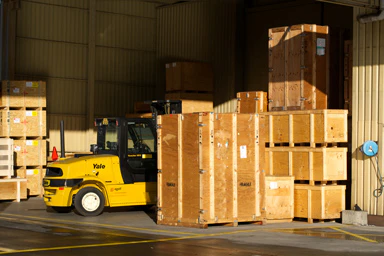
Contraction of foreign trade, despite good results in watchmaking
(21.02.2024) In 2023, according to the Federal Office for Customs and Border Security (FOCBS), exports declined by 1.2% and imports by 3.8%. However, the trade surplus – the second-largest ever recorded – reached 48.5 billion Swiss francs, compared to 42.8 billion in 2022.

Decline in employment growth in 2023
(14.02.2024) The unfavorable economic situation is weighing on the labor market. According to the Swiss Job Market Index published by the Adecco Group and the University of Zurich, the growth rate of job offers rose by 3% on an annual basis, compared to 23% the previous year.

Watchmaking sees unprecedented hiring
(07.02.2024) Employment remains particularly robust in the watchmaking industry. In 2023, the number of employees in the sector increased by 7.3% to reach 65,237, which is 4,414 more than in 2022, according to the Employers' Association of the Swiss Watchmaking Industry.

Despite inflation, retail trade held steady in 2023
(31.01.2024) Swiss retailers demonstrated their resilience last year. Sector sales increased by 3.6% in November compared to the previous year, followed by a slight decline of 1.3% in December, according to the Swiss Retail Federation.
SME PMI: Slight rebound at the end of 2023
(24.01.2024) Economic conditions have stabilized in Switzerland, albeit with caution. Raiffeisen's SME PMI index recorded 50.9 points in December 2023, placing it above the expansion threshold. However, the bank has expressed disappointment with the overall performance in 2023 and anticipates a mixed outlook in the coming months.
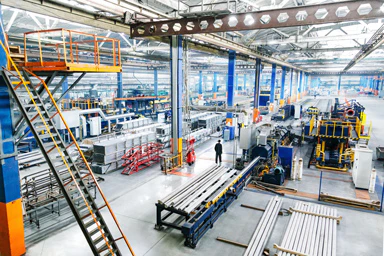
Strong franc: Swissmem calls on authorities to take action
(17.01.2024) The appreciation of the Swiss franc poses a risk to Swiss exporters. The umbrella organization Swissmem is urging public authorities to improve the framework conditions, emphasizing that the MEM sector employs 330,000 people, and 80% of its production is sold abroad.
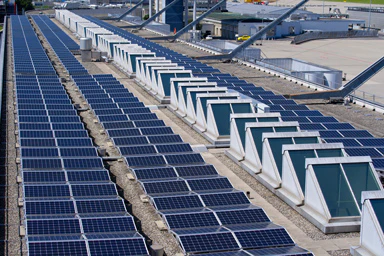
Swiss societies concerned about climate change
(10.01.2024) Business leaders consider climate change a priority. According to Deloitte's CxO Sustainability Report, almost half of them (40%) rank it among the three most significant concerns for the future of their businesses.

Switzerland is a globalization champion
(03.01.2024) Despite remaining below its 2019 pre-pandemic level, Switzerland continued its global trade dominance in 2021. This was attributed to robust foreign trade, its role as a global financial hub, and hosting numerous international organizations.